


heytea
4.376.00 Reviews
App Specs
- Version
- 2.4.6
- Updated On
- License
- Free
- Downloads
- 100,000+
- Developer
- 喜茶
- Categories
- Food & Drink
- Platform
- Android
Screenshots
 Analysis by AppCompare
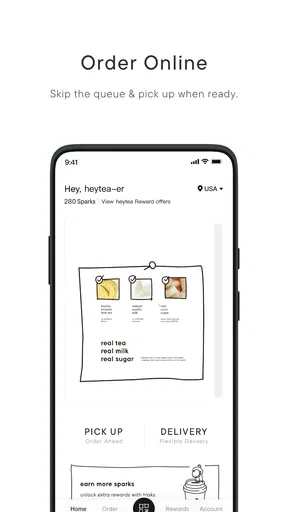
I tried heytea as a practical companion for ordering modern tea rather than treating it as a general food-delivery tool. Developed by 喜茶, this free Food & Drink app is built around the brand’s own tea menu and the small decisions that come before a drink reaches your hand. Its store summary describes “new style tea, by inspiration,” while the shorter store label simply identifies it as heytea. That is a narrow purpose, but it can be useful when I already know I want this particular tea experience.
The first thing I noticed is that the app makes more sense when I begin with a real intention: choosing a drink, checking what is available, and completing an order through the brand’s own channel. It is less useful if I am comparing every café in an area, searching for the cheapest beverage, or trying to coordinate a broad restaurant order. In my experience, that distinction determines whether the app feels focused or limited.
From craving to completed tea order
When I’m craving HEYTEA, I find it useful to think of the app as the start of a small, practical routine: settle on a drink, make sure the order suits the moment, then plan the handoff. That framing keeps a tempting menu from turning into an impulse choice and makes the next step—checking how the order fits my route and timing—much easier.
Starting with the right expectation
heytea is not trying to replace a universal delivery marketplace. I would open it when I am already considering HEYTEA, not when I am undecided between coffee, bubble tea, juice, and a full meal. That makes the starting condition refreshingly simple: I want a branded tea drink and need a direct way to explore the available choices.
The app is aimed at a broad audience, with an Everyone content rating, and it runs on devices using Android 7.0 or later. That older minimum requirement is helpful for people who keep a reliable phone for everyday ordering instead of upgrading frequently. The current version is 2.4.6, so I would still keep the app updated before relying on it for a time-sensitive pickup.
At this stage, I would also make one practical check: am I near a participating location and do I have enough time to complete the handoff? A dedicated brand app can be more direct than a marketplace, but it does not remove the need to think about store availability, opening hours, or the distance between the shop and my destination. The best experience starts when I treat it as part of a local purchase workflow rather than a magic delivery button.
Exploring the menu without rushing the choice
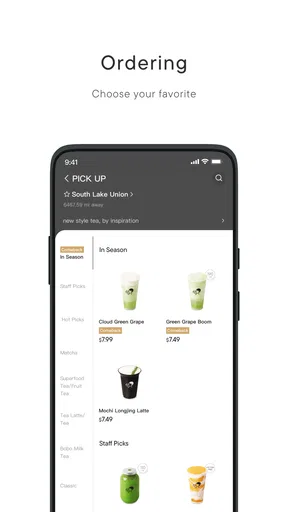
Once inside, my attention goes to the menu and the way the drinks are presented. A tea app has to do more than show attractive names; it needs to help me decide what fits the moment. Am I after something refreshing, something creamy, or a drink that feels like a treat? I would use the menu as a shortlist rather than scrolling aimlessly and then ordering the first appealing image.
Worth Reading Before You Choose

EA SPORTS FC Mobile 26 Is a Bigger Football Game, but It Takes Time

Flipboard Shows What News Apps Must Do Beyond the Feed

Switching to Android Auto Means Rethinking Your Driving Routine

Google Calendar Makes a Crowded Week Easier to Manage

Ludo King Makes the Most of the Minutes Between Plans

Baby Panda World Brings Quick Play to Modern Phones, but Its Game Library Feels Busy
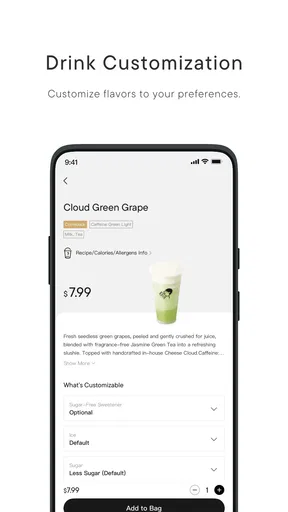
One useful habit is to pause before customizing. A drink that looks ideal on the menu may become less appealing after changes to sweetness, ice, toppings, or size, depending on what the ordering flow offers at that moment. I would read each option carefully and avoid changing several things at once. That makes it easier to understand what I am actually ordering and reduces the chance of receiving a drink that is technically customized but not balanced.
This is also where the app’s focused design can be a strength. Unlike a large delivery marketplace filled with unrelated restaurants, a brand-specific menu keeps the decision centered on tea. I spend less time filtering out pizza, burgers, and cafés that are irrelevant to my craving. The trade-off is obvious: the app cannot help me compare HEYTEA with competing tea shops in the same screen.
Building the order and checking the handoff
After choosing a drink, I would review the order as if another person had to prepare it from my screen. Is the selected drink correct? Did I choose the intended location? Are the quantity and customization choices clear? This small pause matters more in a dedicated ordering app because the final handoff is tied closely to the selected store.
For a solo order, the process should be straightforward. For a group, I would collect everyone’s choices before placing anything. A realistic office scenario shows why: at lunchtime, one person can use the app to gather drink preferences, but the group still needs a clear agreement about the store, pickup responsibility, and who checks the order at arrival. The app may organize the purchase, but it does not replace that human handoff.
I would also avoid placing an order while walking between meetings or with a weak connection. Any ordering workflow benefits from a stable moment in which I can verify the details. If I am rushed, a nearby counter purchase may actually be better, because I can ask a staff member a question immediately and adjust the request face to face.
What happens between the app and the shop
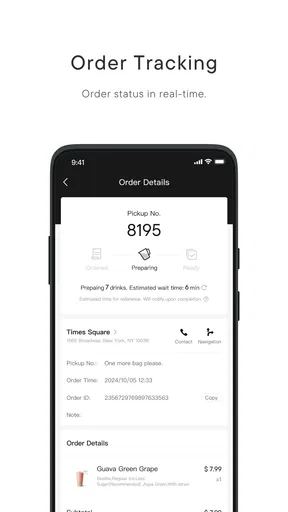
The most important transition is the handoff from my phone to the HEYTEA location. I make the selection digitally, but the drink is prepared by the store, and the quality of the experience depends on both parts working together. I would keep the order information available until the drink is in my hand, especially when several people are collecting similar beverages.
This is one of the app’s less visible trade-offs. A polished menu can make ordering feel complete before the physical part has happened, but the real outcome still depends on the shop’s workload and the clarity of the collection process. I would not assume that submitting an order means I can instantly walk in and leave. For a busy period, I would build in time to locate the store, identify the correct collection point, and check the labels before departing.
When ordering for someone else, the handoff needs even more care. I would send the exact drink details rather than only saying “your tea is ready,” and I would make sure the collector knows which order belongs to them. This is a small but non-obvious advantage of thinking through the entire workflow: the app handles the digital selection, while a readable message handles the final human transfer.
Reaching the result
The result I want is not merely an order confirmation. It is a drink that matches the choice I made, collected from the intended HEYTEA location without unnecessary confusion. The app is most successful when it shortens the distance between craving and a specific branded tea order.
For a regular customer, that focused path can become comfortable. I can return to a familiar type of drink, make fewer decisions, and use the app as a repeat-order starting point. For a first-time customer, the value is more exploratory: I can inspect the brand’s own selection before committing instead of relying on a third-party description that may be abbreviated or formatted differently.
Still, I would judge the result by the complete experience, not by the interface alone. If the store is inconvenient, the app cannot make the journey disappear. If I need a meal as well as a drink, I may prefer a marketplace that combines several vendors in one checkout. If I need personal advice about ingredients or substitutions, direct conversation with staff may be more useful than tapping through a menu.
Where the workflow can break
The first weak point is choice overload inside a menu that is designed to make drinks look appealing. A large selection can be enjoyable, but it can also slow me down when I only want a dependable refreshment. My workaround is to decide the drink style first, then inspect only the relevant options. That keeps the app from turning a quick purchase into an extended browsing session.
The second weak point is the gap between digital certainty and physical availability. I may feel finished after selecting a drink, yet the store location and the real-world collection remain important. I would double-check the chosen shop before finalizing and avoid assuming that a convenient location on a map is convenient for my actual route.
The third is comparison. A dedicated app gives me a clean path into one brand, but it does not answer whether another nearby tea shop offers better value, shorter distance, or a flavor more suited to my taste. When price comparison or multi-restaurant ordering is my priority, a general delivery service is the better tool. When I already want HEYTEA, that broader choice can become unnecessary noise.
There is also a practical limitation for people who rarely buy branded tea. Installing a separate app may not feel worthwhile for a single occasional order, especially if the person already uses another service for most food purchases. The app’s strongest case is repeated use or a deliberate preference for ordering from the brand directly, not universal convenience for every beverage situation.
Who will get the most from it?
I think heytea suits people who already recognize the brand, want to browse its tea-focused menu, and prefer a direct ordering route. It is particularly sensible for repeat customers, small group orders, and moments when I want to decide what to buy before reaching the shop. The free price also lowers the barrier to trying it, provided the app fits the user’s local routine.
It can also work well for someone who dislikes making a decision at the counter. I can think through the order away from a queue, review the details, and arrive with a clearer plan. That is a subtle but meaningful benefit: the app moves the selection stage to a calmer moment, even though the physical collection still needs attention.
I would skip it if my main goal is to discover independent cafés, compare several delivery services, or place a mixed order containing food from different restaurants. I would also hesitate if I am in a hurry and the nearest shop is easier to approach directly. In those cases, the dedicated focus becomes a constraint rather than an advantage.
How it compares with the usual alternatives
Compared with ordering at the counter, heytea gives me more time to inspect the menu and organize the order before speaking to anyone. Counter ordering remains better for questions, spontaneous changes, and immediate feedback from staff. The app is better when I value preparation and consistency in the selection stage.
Compared with a broad delivery marketplace, it offers a more concentrated brand experience. A marketplace wins on comparison, combined baskets, and the ability to add meals from other restaurants. heytea wins when I do not need that breadth and would rather avoid navigating unrelated listings. Neither approach is universally superior; the right choice depends on whether the order begins with a brand preference or with a general hunger search.
Compared with a mobile browser, a dedicated app can feel more natural for repeat use because the menu and ordering journey are kept in one place. A browser may be preferable for someone who does not want another app installed. My decision would come down to frequency: occasional customers should use the lightest route available, while regular customers may appreciate having a dedicated entry point.
What the numbers suggest about confidence
heytea has an average rating of 4.3 from around 1.1 thousand ratings, with 76 written reviews and over 100 thousand installs. Those figures suggest a real user base and generally positive reception, but I would not treat them as a guarantee that every store visit will be smooth. A rating reflects many different phones, locations, expectations, and ordering situations.
The Everyone age classification makes the app approachable for general household use, while the minimum Android requirement means it is not restricted to only recent devices. I would still judge compatibility on the actual phone and operating system I plan to use, particularly before arranging a group order where a last-minute technical problem would affect more than one person.
My practical routine for using it
My preferred routine is simple. I open the app before leaving, choose the store that fits my route, narrow the menu to the drink style I want, and review every customization before submitting. I then keep the order details visible during collection and check the drinks before handing them to friends or coworkers.
For a group, I would use a short written list outside the app first: person, drink, modifications, and quantity. That prevents the menu from becoming a shared memory test. I would place the order only after the list is settled, then assign one person to collect and one person to distribute. This workflow is more reliable than passing a phone around while everyone changes their mind.
For a personal order, I would use the app when I want to avoid queue-side indecision. I would not use it automatically for every tea purchase. If I am already beside the shop, need a quick clarification, or want to compare nearby alternatives, the counter or a broader service may save time.
Final assessment after following the whole journey
heytea is a focused Food & Drink app that makes the most sense when the starting point is a clear preference for HEYTEA. I like its directness: it keeps the experience centered on modern tea instead of surrounding the order with unrelated restaurants. The strongest benefit is the ability to make a considered choice before the physical handoff, which is useful for repeat purchases and group coordination.
Its limits are equally clear. It is not a universal restaurant finder, not the best comparison tool, and not a substitute for checking the store and the collection details. The workflow can break when I rush, choose the wrong location, or expect the app to solve a question that really belongs in a conversation with staff.
My recommendation is therefore conditional but positive. If you regularly buy HEYTEA and want a dedicated way to browse and organize your tea order, I think it is worth trying. If you are looking for the broadest selection, the lowest possible price, or one checkout for many restaurants, choose a general alternative instead. The app works best when its narrow focus matches the reason you opened it.
Pros
- Creative tea and fruit drink combinations
- Seasonal menu keeps the selection interesting
- Attractive presentation for photos and sharing
- Rewards can make frequent purchases more worthwhile
- Convenient ordering through the mobile app
Cons
- Some drinks contain a lot of sugar and calories
- Prices are higher than those of many local tea shops
- Popular locations may have long queues during peak hours
- Customization options can vary by store and region
- Limited availability outside major cities
FAQs for heytea
What is HEYTEA, and what can I do with the app?
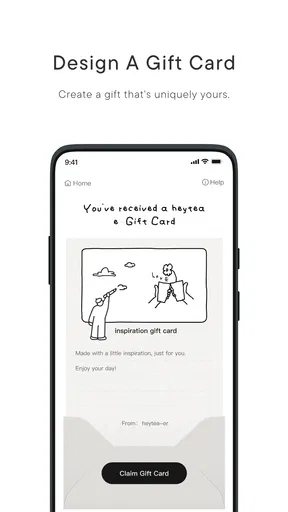
HEYTEA is the official mobile app for the popular tea and beverage brand. After installing it, users can browse the available menu, view drink details, customize selected orders, find nearby stores, and place orders where mobile ordering is supported. The app may also provide promotions, membership benefits, digital rewards, and order-history features, although availability can differ depending on your country and the specific store.
Can I order HEYTEA drinks for pickup or delivery through the app?
The app is mainly designed to make ordering more convenient, but pickup and delivery options depend on your location. In supported areas, you can select a nearby participating store, customize your drink, choose a collection time, and pay before arriving. Delivery may be offered only in certain regions or through connected delivery services. Always check the store list and checkout screen before relying on a particular option.
Does the HEYTEA app support English and work in every country?
HEYTEA’s language support and functionality can vary by regional version of the app. Some users may see English menus, while others may encounter Chinese text or features intended for a specific market. Store availability, payment methods, promotions, and account registration requirements can also differ internationally. Before downloading, confirm that the app is published for your country and supports the language and services you need.
What payment methods and account details are required to use HEYTEA?
The information required depends on the region and the features you want to use. Browsing the menu and locating stores may be possible without creating an account, but ordering usually requires sign-in, a phone number, and an accepted payment method. Supported options may include cards, mobile wallets, or local payment platforms. Review the checkout page carefully, since payment availability and refund procedures can vary.
Are HEYTEA rewards, coupons, and promotions available in the app?
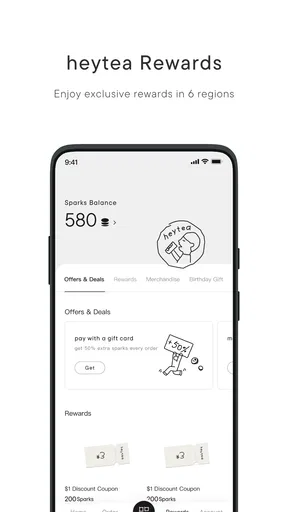
Many versions of the HEYTEA app include membership features such as promotional coupons, loyalty benefits, birthday offers, or rewards connected to eligible purchases. However, these benefits are usually linked to a specific market and account, and they may have expiration dates, usage limits, or store restrictions. Read the terms shown in the app before placing an order, especially when combining discounts or redeeming promotional offers.


